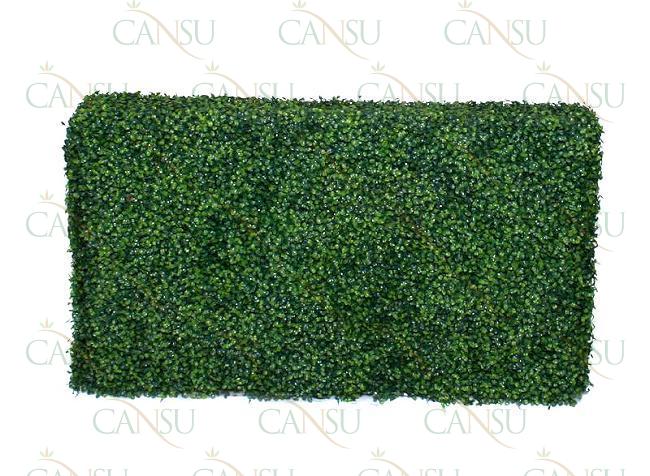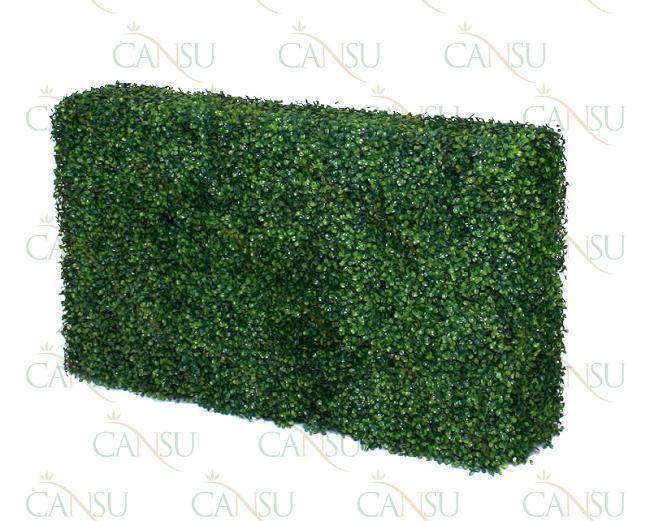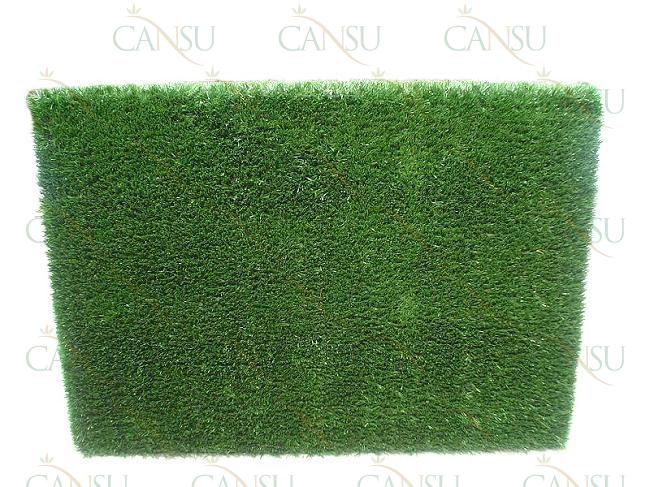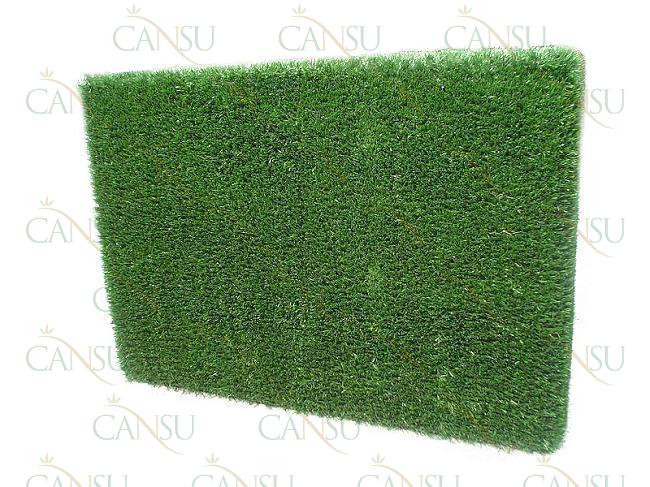
Artificial turf is a surface manufactured from synthetic fibers made to look like natural grass. It is most often used in arenas for sports that were originally or are normally played on grass. However, it is now being used on residential lawns and commercial applications as well. The main reason is maintenance artificial turf resists heavy use, such as in sports, and requires no irrigation or trimming. Domed, covered, and partially covered stadiums may require artificial turf because of the difficulty of getting grass enough sunlight to stay healthy.
Advantages:
Artificial turf can be a better solution when the environment is particularly hostile to natural grass. An arid environment or one where there is little natural light are examples. Artificial turf can withstand significantly more use than natural grass and can therefore be used much more frequently. This allows sports ground owners to generate more income from their facilities. Ideal for holiday homes when maintenance of lawns is not practical. It is also a solution for elderly home-owners who find the upkeep of lawns too much hard work. Suitable for roof gardens and swimming pool surrounds.
Some artificial turf systems allow for the integration of fiber-optic fibers into the turf. This would allow for lighting or advertisements to be directly embedded in a playing surface, or runway lighting to be embedded in artificial landing surfaces for aircraft.
Some artificial turf systems allow for the integration of durafill. Durafill is the latest in infill technology. It is pet and eco-friendly, withstanding animal urine and elements, preventing the growth of spores and bacteria within the surface. It also prevents degradation throughout time and does not need multiple applications. It does not overheat in the sun, preventing overheating of the actual surface. It does not contain zinc, heavy metals, or silica dust.
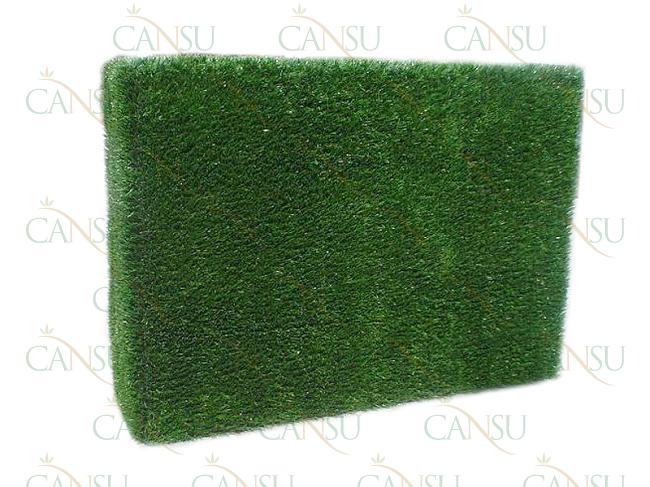
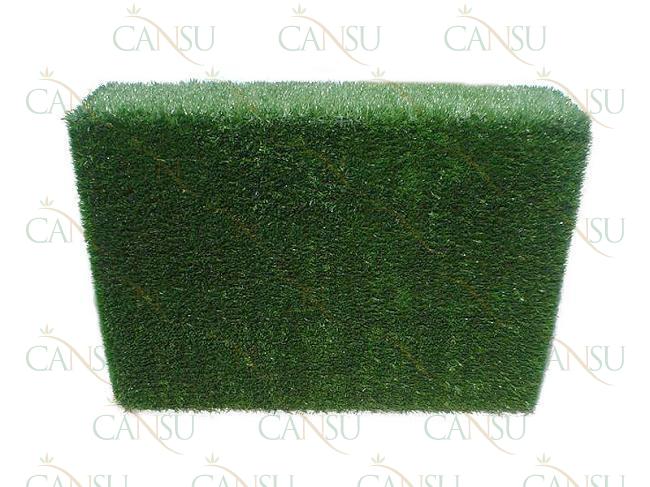
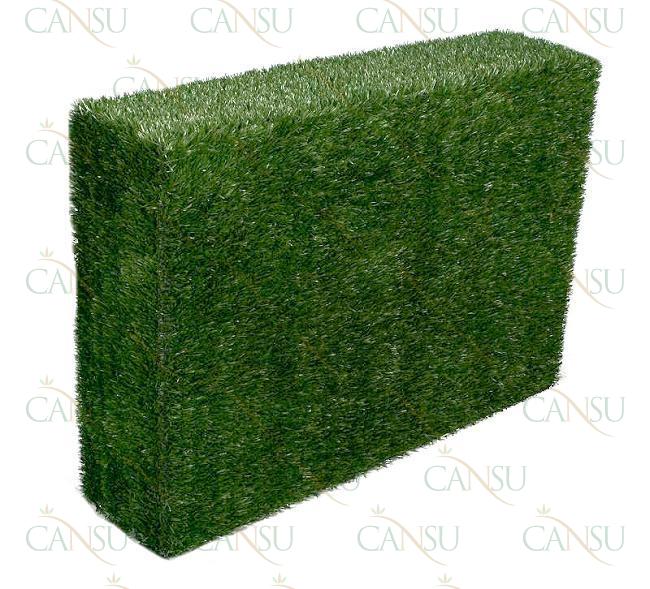
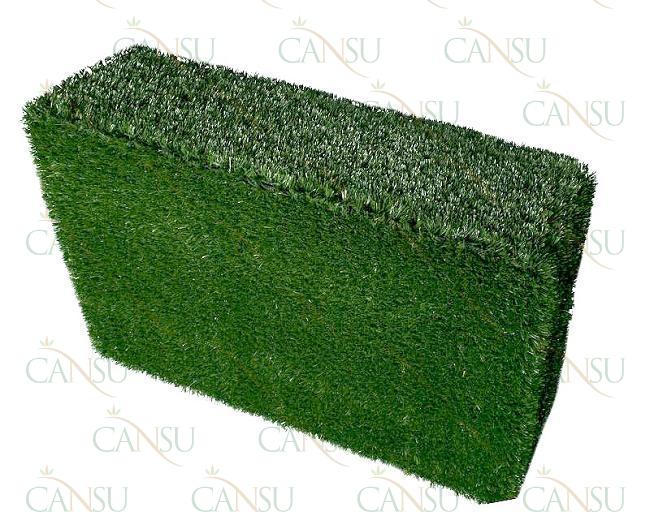
We produce these products as portable and in different measurements according to your choice of height and diameter.

Previous